
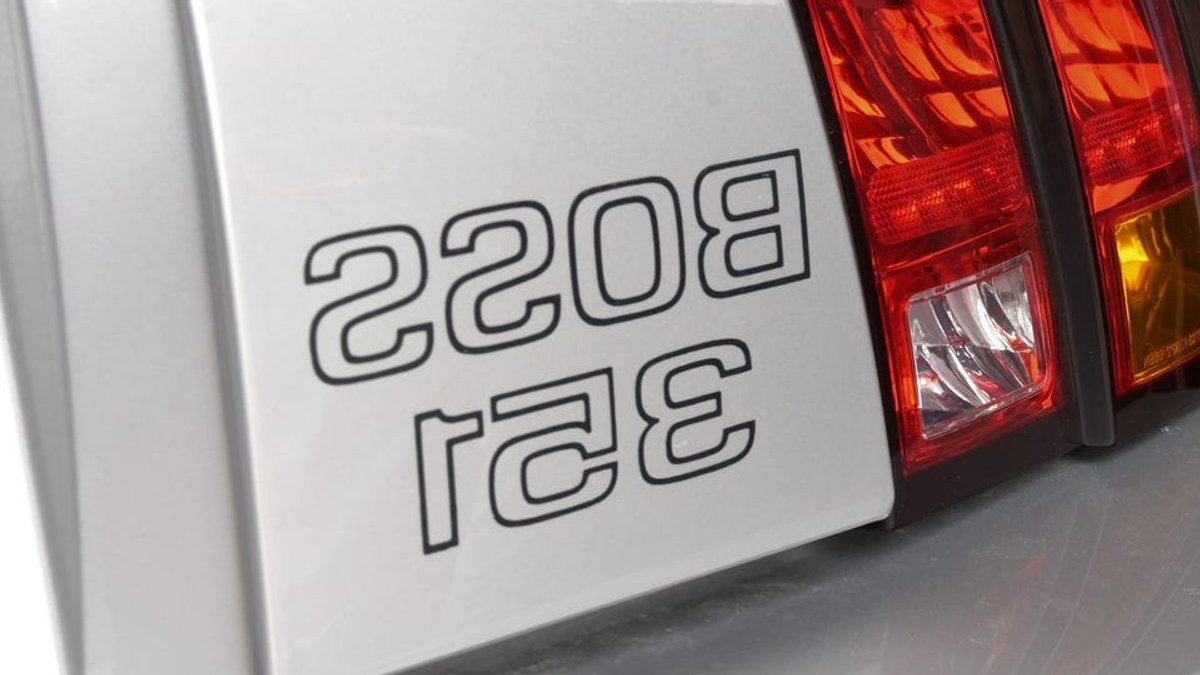
Ford’s Heritage Fleet has resurrected a one-off V-10 Mustang, a project originally built by the automaker’s Powertrain Research team in the early 2000s. The car, a silver 1999 GT coupe, is a concept vehicle that was never approved for production but managed to survive decades of corporate bureaucracy. It has been restored to its original glory and is now capable of producing over 510 horsepower at the wheels, a figure that surpasses the performance of the car it was based on by a significant margin.
The Engineering Behind the Beast
The Mustang’s powertrain was a complete fabrication. The 5.8-liter V-10 was not a standard engine but was instead handcrafted by cutting up sand-casting molds for a 4.6-liter DOHC V-8, retooling them into a ten-cylinder format, and pouring in molten aluminum. The motor used Cobra parts, including connecting rods and pistons, but it received its own billet crankshaft and weighed roughly 60 pounds less than the stock Cobra V-8. According to the report, the team built the engine without management’s permission, completing the work as a fait accompli in a manner similar to how Lamborghini engineers developed the Miura prototype.
During testing in 2004, the prototype generated about 426 horsepower at 6,500 rpm. This allowed it to run down the dragstrip in the high 11-second range. The car was initially dubbed the Boss 351 based on its displacement, a name that pays homage to the classic 1970s muscle car. The restoration process required new electronics and a full overhaul. When the car was strapped to the dyno, the results showed that the engine had gained power over the years, pushing over 510 horsepower at the wheels. The engine produces a sound that the team described as halfway between a bar brawl and a Lexus LFA.
Related: Lotus Esprit to Get V6 Engine Option
A Survivor in the Corporate World
Corporate finance departments eventually took notice of the aging prototype. Because it was the oldest project on the books, the accountants wanted it “off the books,” which implied sending it to the crusher. This led to a years-long game of hide-and-seek between the vehicle’s enthusiasts and Ford’s Vehicle Controls team, who were tasked with locating the car. After being stashed in various hidden corners, the car eventually came under the care of the Heritage Fleet, which ensured it would be preserved rather than destroyed.
While it might look like a standard SN95 Mustang on the outside, the car is a sleeper. It features a silver paint job and five-spoke alloy wheels that give it a nondescript appearance. However, once the engine is started, the vehicle’s true nature is revealed. The fact that this wild prototype survived corporate culling is notable, as it represents a rare instance of a secret project succeeding against the odds.
For the enthusiasts who managed to save the car, seeing a V-10 Mustang back on the dyno is a significant achievement. The restoration highlights the lengths to which some employees will go to preserve automotive history, even when it conflicts with standard corporate procedures. The car serves as a reminder that innovation sometimes happens in the shadows, away from the scrutiny of upper management. This legendary build proves that power does not always follow corporate roadmaps.


