
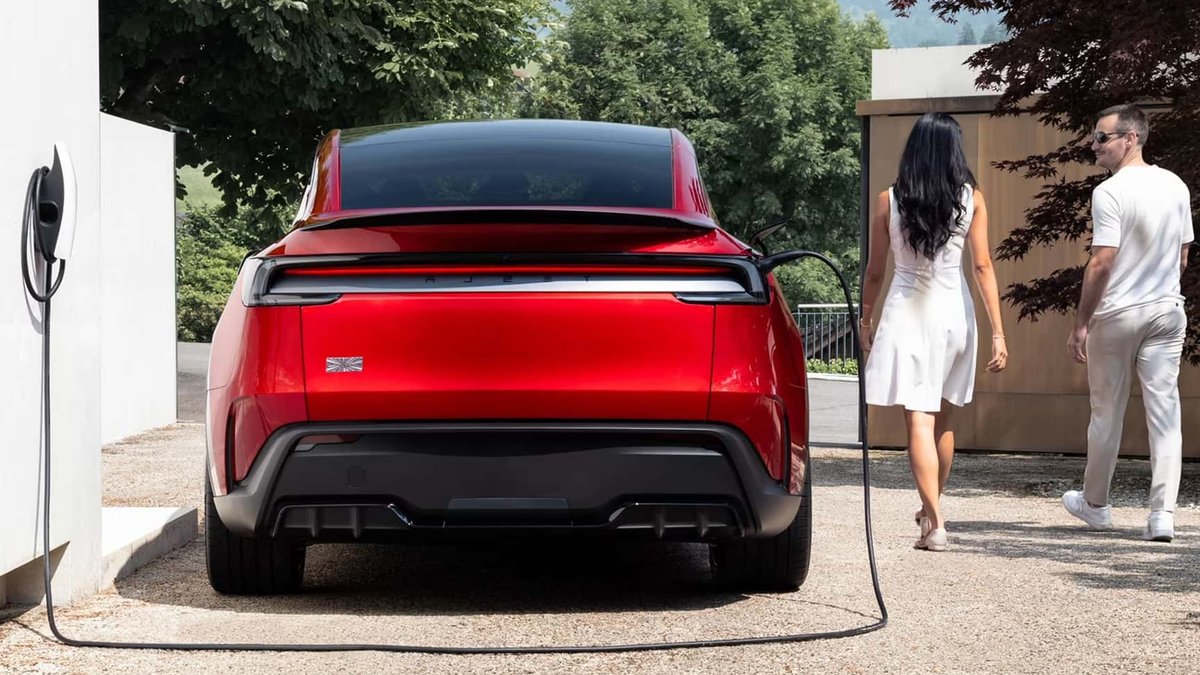
Home electric vehicle charging often seems like a straightforward transaction: plug in the car, pay for the electricity, and go. The reality is a bit messier, as energy is lost in the process of conversion and management, creating a hidden cost that varies significantly by vehicle and charging equipment. The German automobile club ADAC recently tested five different electric cars to see how much energy actually makes it into the battery versus what gets wasted, and the results highlight a clear path to saving money.
The Cost of Low Power
Drivers pay for the total energy recorded by their home meter, even if the car’s system shows a slightly lower figure. This gap is known as charging loss. When using a standard mobile charger that plugs into a regular household outlet, losses can be substantial. The ADAC found that using a low-powered mobile charger, which outputs just 2.3 kilowatts, resulted in significant energy waste across all tested models. The new Mercedes-Benz CLA, for example, lost 24.2% of its energy at this power level, while the Tesla Model Y saw losses of 12.7%. While the Tesla performed better than its competitors, the difference in efficiency between a slow mobile charger and a faster wall unit is stark.
Upgrading to a high-powered home charger significantly reduces these inefficiencies. The ADAC report notes that higher output chargers minimize the time the electronics have to work, which reduces the overall percentage of energy lost to heat and conversion. The Tesla Model Y remained the most efficient vehicle in the group, dropping to 6.1% charging losses when using an 11 kW home charger. The Volvo EX30, which supports 22 kW charging, saw only a slight improvement over the 11 kW setting, with losses falling from 7% to 6.7%. The data confirms that investing in a dedicated home charging station is the most effective way to lower long-term energy bills.
Related: Ford Completes $2 Billion EV Factory Retooling in Under a Year
Why Efficiency Matters
The primary reason for these losses is the conversion process. Home outlets deliver alternating current (AC), but the high-voltage battery requires direct current (DC). This conversion happens inside the vehicle’s on-board charger (OBC), a component that is also responsible for managing power to other systems like climate control. Because the OBC has to work harder during the conversion process, some energy is inevitably lost as heat. This is why automakers are increasingly turning to silicon carbide (SiC) semiconductors. These components are more expensive than traditional silicon but offer higher efficiency, which reduces the strain on the car’s electronics and lowers the total energy bill over the life of the vehicle.
Automakers are also looking at the broader manufacturing setting to improve these systems. The automotive industry is seeing a significant shift toward electric production. [1]Tesla adds long-standard Hyundai EV feature to the Model Y. This feature helps streamline the charging experience by allowing vehicles to communicate with the grid more effectively.


