
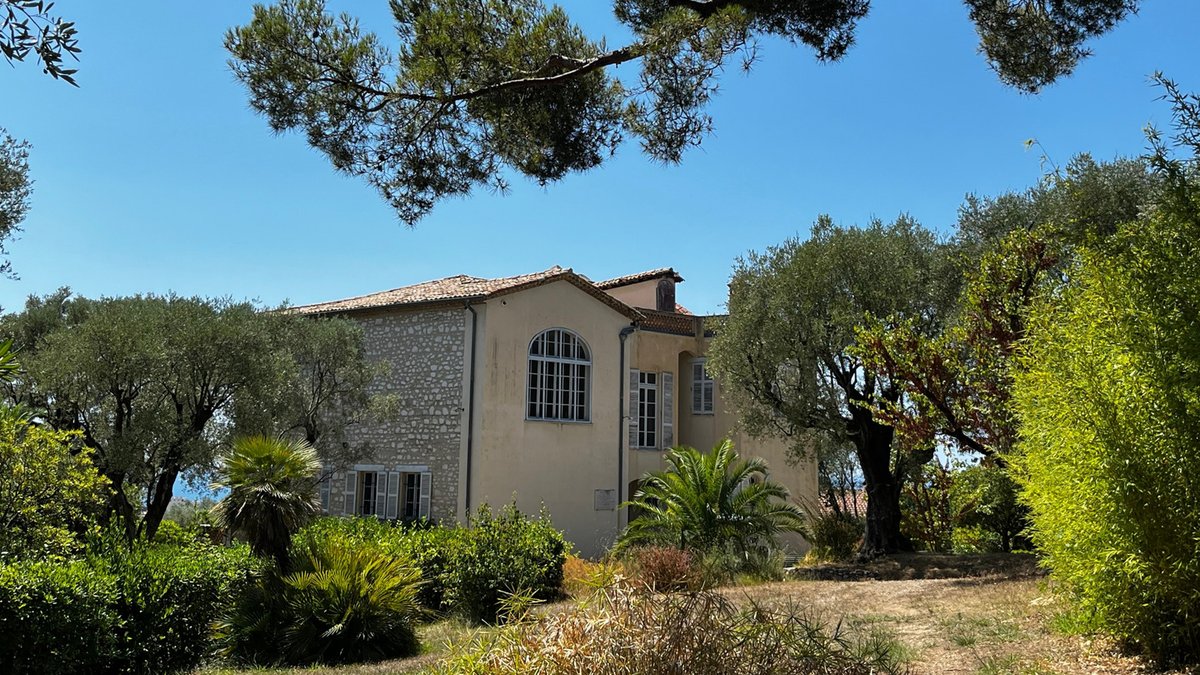
French police recovered two stolen Renoir paintings worth $4.7 million using DNA evidence and vehicle tracking. The works, “Portrait of Madame Colonna Romano” and “Young Woman at the Well”, were taken from the Musée Renoir in Cagnes-sur-Mer on the French Riviera. Authorities arrested six suspects linked to the heist. The museum, located in the picturesque Nice suburb, is housed in the famed impressionist’s hilltop farmhouse estate, adding a layer of cultural significance to the crime.
A Heist Gone Wrong
On September 8, two thieves cut through the museum’s fence and used an electric saw to remove four paintings on loan from Paris’s Musée d’Orsay. Police arrived within five minutes after the alarm triggered, causing the thieves to drop two paintings in the museum garden. They escaped with the Renoirs in a stolen vehicle. According to Smithsonian Magazine, the thieves used the electric saw to slice off the bolts holding the paintings in place, demonstrating a level of premeditation and brutality in their approach.
Read Also: NYC to ban horse carriages in Central Park
Investigators later found DNA on a protective sleeve at the scene, matching a 29-year-old man whose vehicle was already under surveillance for alleged drug trafficking. Police were already tracking the 29-year-old’s vehicle in connection with alleged drug trafficking, which led to a previous arrest in 2020. This man led police to his accomplices by driving to their homes and visiting a known art criminal. His actions, including visiting a 41-year-old partner and a known art criminal, provided critical leads for the investigation.
Tracking the Thieves
The suspects’ movements were monitored as they planned another potential heist at the nearby Fondation Maeght. Police recovered the paintings behind a false wall in a house, though both works sustained damage during the theft. The frame of “Young Woman at the Well” was damaged, and “Portrait of Madame Colonna Romano” was torn. The arrests highlight how targeted vehicle tracking, rather than mass surveillance, can effectively combat crime without infringing on privacy. The case shows the balance between law enforcement efficiency and individual privacy rights.


