
California’s new EV rebate program is underway, and it provides an up-front, $3,500 discount for purchases of new EVs, and $1,750 for used ones, with the goal of incentivizing the sale of over 73,000 clean vehicles.
The program is funded by the state and participating manufacturers, who are splitting the cost of each rebate. Car companies will decide which trims and models qualify, and some Teslas that cost over $50,000 will qualify, according to a government spokesperson.
New EVs must carry an MSRP of $50,000 or less, while secondhand cars can’t go for more than $25,000, although these caps don’t apply to California-headquartered EV companies like Lucid and Rivian.
Buyers will have to fill out a form attesting to the fact that they haven’t owned an EV before, and the state has shared new details about the cars from participating manufacturers that qualify.
Related: Ford names affordable electric truck sets price
Hydrogen fuel-cell cars qualify, while plug-in hybrids don’t, and carmakers will decide which models and trim levels are eligible. The list of participating manufacturers and their start dates includes Chevrolet, Ford, Honda, Hyundai, Kia, Lexus, Lucid, Mitsubishi, Nissan, Rivian, Subaru, Tesla, Toyota, and Volvo.
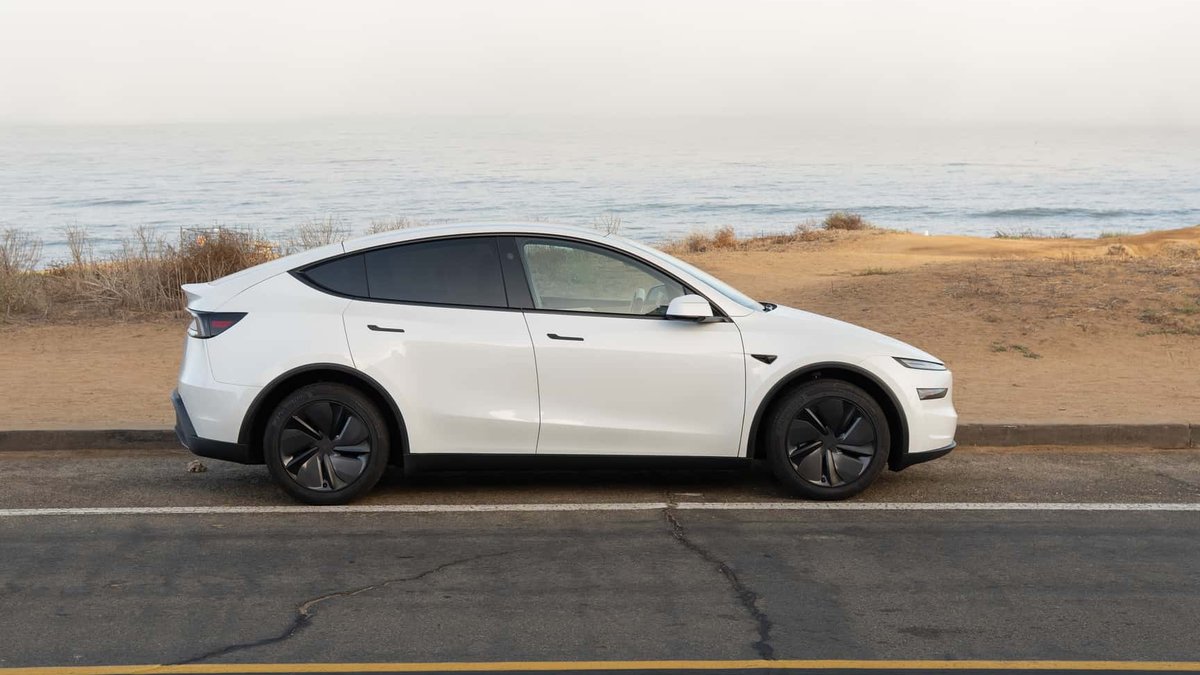
Tesla, for example, is advertising that the MyFirstEV discount applies to vehicles in its inventory, rather than custom orders. The inventory of eligible Teslas has dwindled, and as of now, only includes a handful of Model Y Performance crossovers.
However, the MSRP for a base model is what counts, so you can choose a higher trim level with options and it will still qualify, as long as the base model starts at well under $50,000. This means that some Teslas that cost over $50,000 will qualify for the rebate.
On the used side, vehicles must be at least two model years older than the year of purchase, and the incentive only applies to certified pre-owned EVs sold through franchised dealerships.
The $135.5 million program could incentivize the sale of over 73,000 clean vehicles, but it’s a limited pool of funding, with all participating manufacturers splitting the pie equally. This means that some car companies may run out of funds faster than others, and Tesla’s website already states that 50% of its funds remain.
Related: Hyundai, Kia Hit New U.S. Sales Records but EVs Drop
The program’s design ensures that one dominant EV seller can’t just eat up all the funding too quickly, but it also means that buyers need to act fast to take advantage of the rebate.
Buyers can visit the websites of participating manufacturers to see which vehicles are eligible and to learn more about the program.
The California Air Resources Board has published a bulletin with more information about the program, including the list of participating manufacturers and their start dates.
Buyers can also visit the websites of participating manufacturers to learn more about the program and to see which vehicles are eligible for the rebate.


