
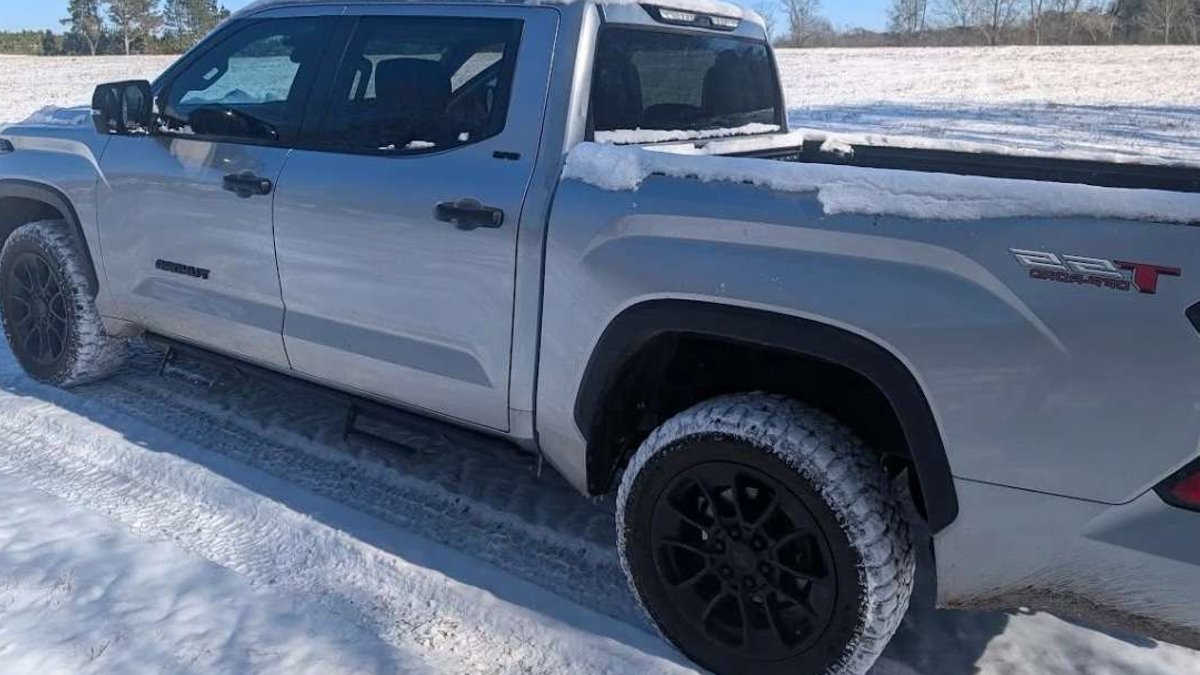
When Galis Wong paid $680 to have the front differential, rear differential and transfer case fluids changed on his Toyota Tundra, the dealership filled the transfer case with the wrong fluid, causing internal damage.
Dealer error leads to costly repair
The service order listed “gear oil” for the transfer case, a detail that appeared only after 6,000 miles of driving. When the case was drained, technicians found metal fragments and a glittery appearance in the oil, indicating wear.
Instead of a simple flush, the dealership replaced the entire transfer case, refunded the original service fee, and added a complimentary 7-year, 100,000-mile Toyota Platinum warranty. The owner reported that the clunk he heard when shifting into 4-Hi or 4-Lo disappeared after the repair.
Understanding the correct fluid
Third-generation Toyota Tundra models use automatic transmission fluid (ATF WS) in the transfer case, while the front and rear differentials require gear oil. The fluid capacity for the case is roughly 2.17 quarts, according to parts catalogs.
Confusion often arises because a technician may assume all three components share the same fluid type during a combined service. The owner’s repair order showed the mistake, highlighting the value of reviewing paperwork before leaving the shop.
Signs that the wrong fluid was used include clunking during four-wheel-drive engagement, delayed shifting, new whining or grinding noises, and warning lights on the dash. Visible debris in drained fluid also points to internal damage.
Owners should compare the fluid names on the service invoice with the specifications in the vehicle’s owner’s manual. Confirming part numbers and quantities can prevent costly errors.
Keeping a digital copy of every service record makes it easier to spot discrepancies later. In this case, the owner’s scanned invoice revealed the error that might otherwise have gone unnoticed.
Dealerships that admit mistakes and offer remedies can retain customer loyalty. By providing a full part replacement, a refund, and an extended warranty, the shop absorbed what could have been several thousand dollars in repair costs.
Preventing Future Mistakes
Another owner said a dealer charged him $100 for a transfer case service it never performed, and now plans to put tamper-evident tape on his drain bolts. Mistakes happen in every service department. What sets this dealership apart is how it responded.
Dealership technicians often handle multiple fluid changes in a single appointment, which can lead to assumptions about fluid compatibility. Confirming the exact fluid type for each component with the service advisor before work begins helps avoid cross-contamination.
The free warranty may be the most valuable part of the remedy.


