
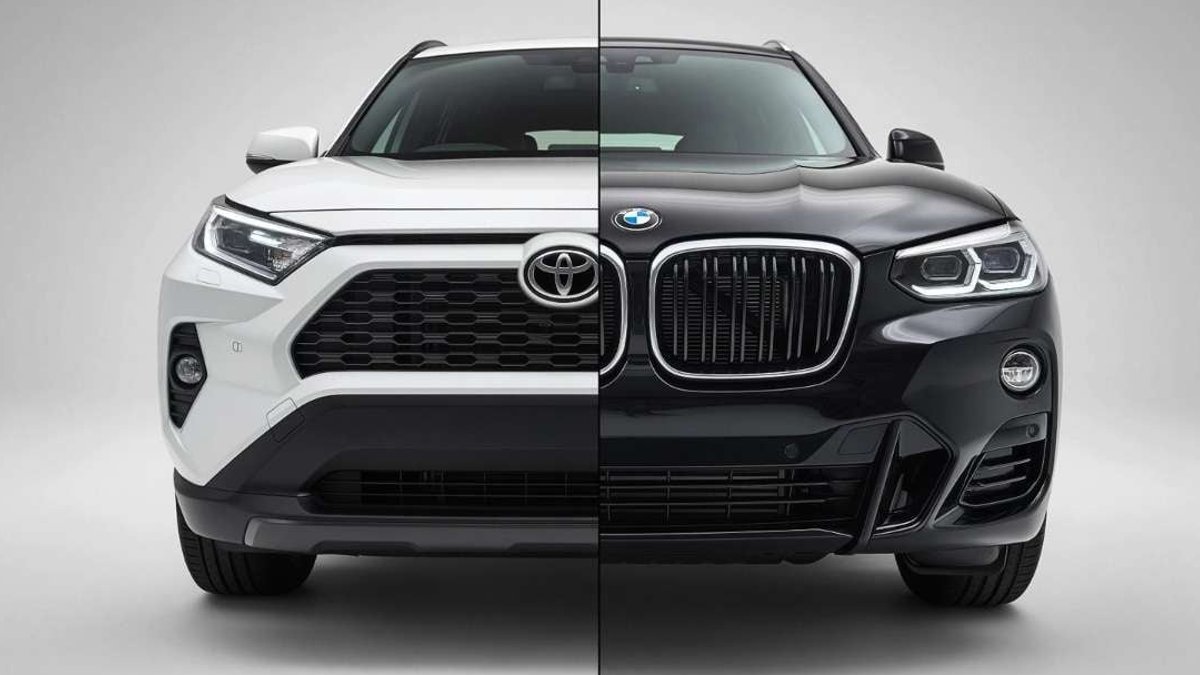
A BMW X3 owner who paid $44,000 for a 2022 X3 AWD, has paid it off, and now has 43,000 miles with a trade-in offer of about $25,000, is considering whether to trade it for a 2026 Toyota RAV4 hybrid or plug-in hybrid to save on gas.
They shared their dilemma in a discussion on Reddit’s r/BMWX3 community, where many owners advised keeping the paid-off SUV. The math supports this advice: fuel savings alone would take years to offset the cost of a new RAV4. The strongest reason to trade the paid-off BMW X3 for a RAV4 hybrid isn’t gas savings. Instead, it’s the $1,600 run-flat tire bill and the out-of-warranty repair costs that come with an aging BMW. For those in a similar situation, comparing real fuel savings with future maintenance costs is essential before making a decision.
Fuel Savings vs. Upfront Costs
The fuel economy difference is significant. The EPA rates the 2022 BMW X3 xDrive30i at 24 mpg combined, requiring premium fuel, according to EPA data compiled by MPGBuddy. The 2026 RAV4 is now hybrid-only. AWD versions achieve about 41 to 43 mpg combined, depending on trim, and run on regular fuel, as reported by Cars.com.
Driving 12,000 miles annually, with premium fuel at $4.00 a gallon and regular at $3.30, the X3 consumes about 500 gallons yearly, costing roughly $2,000. The RAV4 Hybrid AWD, at 42 mpg, uses approximately 286 gallons, or about $943. This results in yearly savings of around $1,057. However, a 2026 RAV4 Hybrid SE AWD starts at $37,550, including destination, per Jalopnik. After a $25,000 trade-in, the buyer still owes about $12,550 before tax, fees, and interest. At $1,057 saved per year, it would take roughly 12 years to break even on fuel costs alone.
Considering Long-Term Ownership Versus Trading In
The owner expresses affection for the X3, describing it as “so much fun,” while acknowledging the need to consider long-term practicality. They are weighing the enjoyment of the current vehicle against rising maintenance costs and fuel efficiency concerns.
With the X3 now paid off and having relatively low mileage, trading it in would mean taking on a new car payment. The owner estimates a trade-in value of around $25,000, which falls short of their hoped-for $30,000 threshold.
The Real Cost: Tires and Warranty Expiry
The most critical detail in their post isn’t the gas price but this line: “Last time 4 new run-flat tires cost me $1600.” Their tires have about six to eight months left, meaning another significant expense is imminent. Run-flat tires allow driving a short distance after a puncture, which is why many BMWs lack a spare. However, they are typically more expensive to replace than standard tires. Some owners switch to conventional tires and carry a repair kit or spare, but consulting a BMW service advisor or trusted tire shop is advisable, as this change impacts post-flat procedures.
A more pressing long-term concern is warranty coverage. BMW’s New Vehicle Limited Warranty covers up to four years or 50,000 miles, whichever comes first, and BMW Ultimate Care covers scheduled maintenance for three years or 36,000 miles, according to Motorwerks BMW. The 2022 X3 was about a year old when purchased in 2023. Depending on its original in-service date, the four-year warranty has likely expired or will soon, even though it’s still 7,000 miles short of 50,000. Complimentary maintenance has almost certainly ended as well.
Once a BMW is out of warranty, repair bills become the owner‘s responsibility. Toyota’s lower running costs and reputation for reliability make it an attractive alternative. Some owners who switched from an X3 to a Japanese SUV have shared their reasons, including one who remains satisfied with their move to a Mazda CX-5 after 30,000 miles.
Repair Costs Beyond Tires
After the warranty expires, BMW X3 repair costs can escalate quickly. Common issues include oil leaks from valve cover gaskets, coolant system problems, and electrical faults in the climate control or infotainment system. These repairs often cost hundreds to over a thousand dollars each.
A brake job on an X3 typically ranges from $400 to $800, depending on parts and labor. Suspension components like control arms or struts may need replacement around 60,000 miles, adding $500 to $1,000. Timing chain tensioners and water pumps, known wear items, can fail after 60,000 miles, with repairs exceeding $2,000.
These expenses accumulate faster than fuel savings. Over five years, an owner might spend $3,000 to $5,000 on maintenance and repairs beyond routine service. A new RAV4 Hybrid comes with a five-year/60,000-mile basic warranty and a 10-year/150,000-mile powertrain warranty, covering major repairs that would otherwise be out-of-pocket.
Resale Value and Long-Term Ownership
BMWs depreciate faster than Toyotas. After five years, the X3 may be worth roughly half its original price, while the RAV4 holds slightly more value.
For drivers planning to keep their next vehicle for eight years or more, the RAV4 Hybrid’s lower maintenance, better fuel economy, and longer warranty coverage offer greater long-term value. Those preferring shorter ownership cycles might benefit from keeping the X3 until major repairs begin, then trading before costs spike.


