
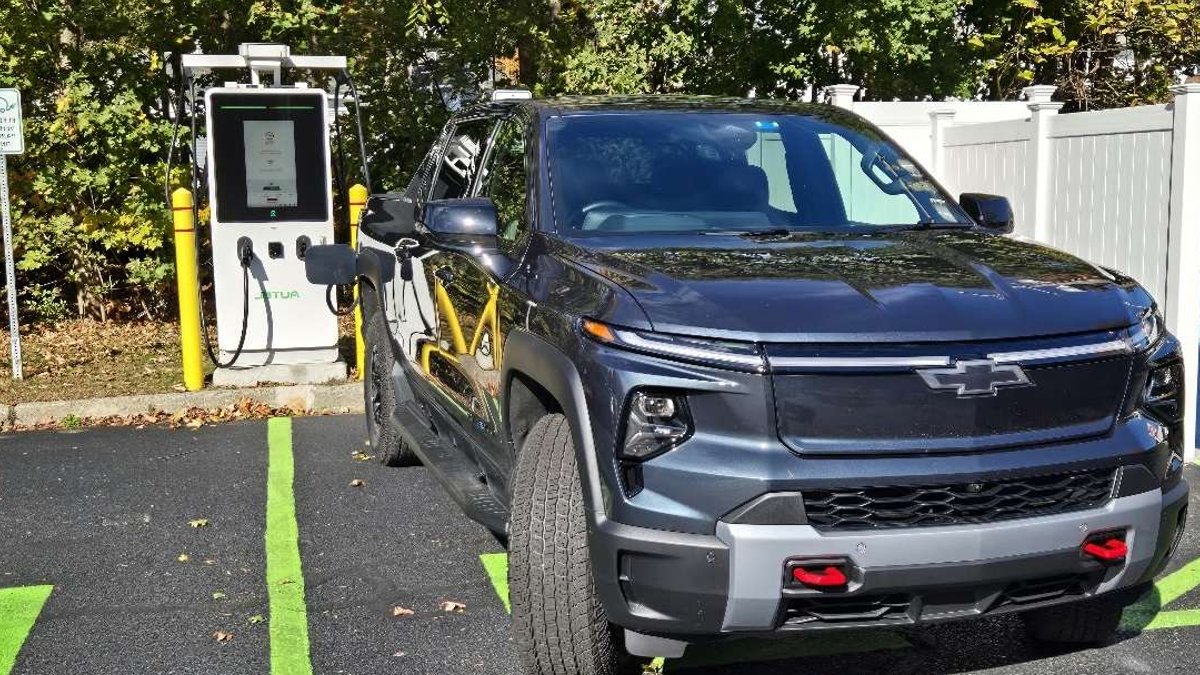
The Chevy Silverado EV WT and LT models come with a spare tire, but the $93,185 Silverado EV Trail Boss, as tested by a writer, includes only a tire inflator kit. This detail matters for gas Silverado owners who face transmission issues, such as a 6-speed failing at 109,000 miles despite early fluid changes.
The Silverado EV uses a single-speed drive unit instead of a conventional transmission, eliminating the risk of transmission failure. The $76,295 WT Max model even surpasses the Trail Boss Max in range, offering 493 miles compared to 478 miles, for $12,400 less.
Why Silverado Owners Are Eyeing the EV
Gas Silverado owners frequently complain about drivetrain issues. One 2022 Silverado Z71 owner reported a 10-speed transmission failure at just 33,000 miles, with several similar cases waiting at the dealership. Another owner shared, “My 2019 10-speed made it to 130k. My coworker’s 2019 10-speed made it to 87k.”
Engine problems are equally concerning. In August 2026, the NHTSA opened an investigation into 997,743 GM trucks and SUVs with the 6.2-liter L87 V8 after 499 complaints of engine failures post-recall. Many owners received only thicker 0W-40 oil instead of a new engine, with some dealers merely replacing the oil cap.
For those considering the Silverado EV, the absence of a transmission and V8 eliminates two major pain points. The EV’s drive unit requires no fluid service, unlike gas models where transmission repairs can cost $1,400 or more.
The Spare Tire Debate
The Trail Boss, designed for off-road use, oddly lacks a spare tire, offering only a tire inflator kit. A spare carrier for the Trail Boss costs an additional $8,895, more than the first three vehicles the writer owned combined. In contrast, the WT and LT models include a spare tire as standard.
A tire inflator kit can fix a nail puncture but is useless for a sidewall cut or a blowout while towing. Heavy trucks like the Silverado EV wear tires faster, increasing the risk of punctures. Other electric trucks, such as the Ford F-150 Lightning and Rivian R2 SUV, include a spare tire as an option.
For Trail Boss owners, adding a spare requires purchasing a matching wheel and tire, finding storage space, and carrying a tested jack. Third-party suppliers like Modern Spare offer compact kits, but should buyers of a nearly six-figure truck have to resort to this?
The Silverado EV also lacks Apple CarPlay, relying instead on a 17.7-inch touchscreen with built-in Google. Charging costs vary: public fast charging can cost $102 for a full charge, while home charging at 15 cents per kWh reduces the cost to around $31.
For those prioritizing reliability over off-road features, the WT or LT models offer better value, with a spare tire, lower prices, and, in the WT Max’s case, greater range.
Silverado EV’s Practical Challenges and Trade-Offs
The EV’s lack of a spare tire in the Trail Boss trim, unless paired with an expensive bed package, forces owners to choose between a flat bed and preparedness for punctures. Fluid service in gas models sometimes fails to resolve issues, as one owner experienced a persistent clunk after addressing a shudder. The EV’s single-speed drive unit avoids these problems but demands adjustments in other areas, such as charging logistics and technology preferences.
Towing increases charging frequency, as one owner had to unhitch their trailer nine times in three days to charge.
Technology and Practicality
This omission may deter buyers accustomed to CarPlay’s satellite view and ease of use. The truck’s size also limits practicality, as it often doesn’t fit in standard garages.


