
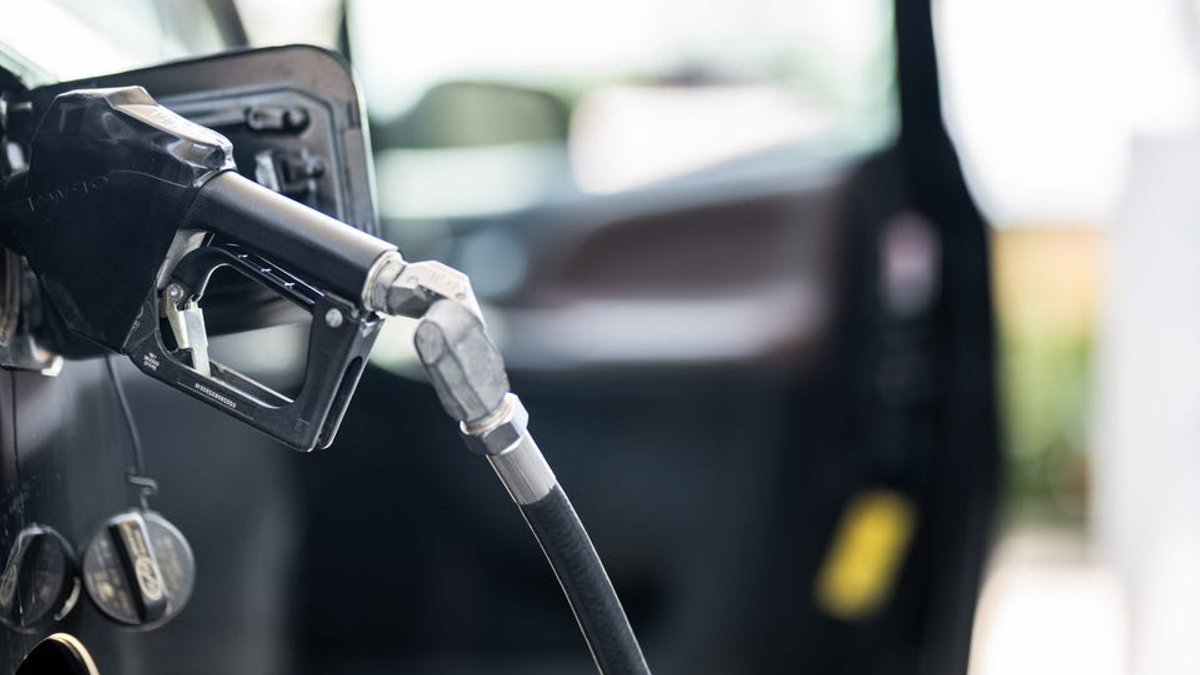
The U.S. Environmental Protection Agency has approved the early sale of winter-blend fuel to help increase supply and lower gas prices. The federal agency regulates fuel into summer and winter grades to manage emissions depending on temperature. Higher-volatility fuel is restricted to cooler parts of the year to cut down on evaporation, but more evaporation can lead to more pollution and health risks.
With fuel prices up this year thanks to the continuing blockade of the Strait of Hormuz, the agency has recently announced a decision to allow for the early sale of winter-blend fuels. This frees up a considerable supply of gasoline at the pump, fuel that would ordinarily not go on sale until the middle of September or into October in some states.
What’s the difference between summer and winter-blend fuels? The former is formulated to deal with hot temperatures, while the latter has hints of festive cinnamon and cloves. Just kidding. The key differentiating factor here is something called the Reid Vapor Pressure (RVP) level.
When it comes to E10 gasoline, the standard grade stuff blended with 10 percent ethanol content, the formula approved by the EPA for summer use has a lower RVP. This means it has lower volatility and can handle being stored during hotter temperatures with reduced evaporation. Come wintertime and lower temperatures, volatility becomes less of an issue, and the winter blend kicks in.
Related: Lotus Esprit to Get V6 Engine Option
Already this year, the EPA has opened up the sale of E15 gasoline during the summer months, which is usually restricted to cooler months. Texas, Arizona, and California ordinarily restrict winter-fuel sales the longest, with hotter fall temperatures in those states, but the agency has waived those state-level controls here.
The problem with relaxing regulations set up around emissions is, of course, more pollution. Higher RVP means increased evaporation, which in turn means an increased chance of gasoline vapors escaping your fuel tank. Even with modern emissions safeguards like pressure-sealed fuel-tank caps and capless systems, those vapors do get out.
Multiply that by the hundreds of millions of vehicles on the road in the United States, and you can expect to see higher ground-level ozone concentrations and more smog. It’s not stuff you want to be breathing in, and it can have health implications, especially long-term.
Short-term, there’s a potential for reduced prices at the pump. But, in the same way that higher-ethanol fuel can actually damage older vehicles with prolonged usage, the long-term implications of higher RVP fuel early may come with fallout down the road.


