
General Motors has withdrawn from the $3.5 billion battery venture, leaving Samsung SDI as the sole owner of the Indiana plant slated for next-year startup.
Samsung SDI assumes full control of Indiana facility
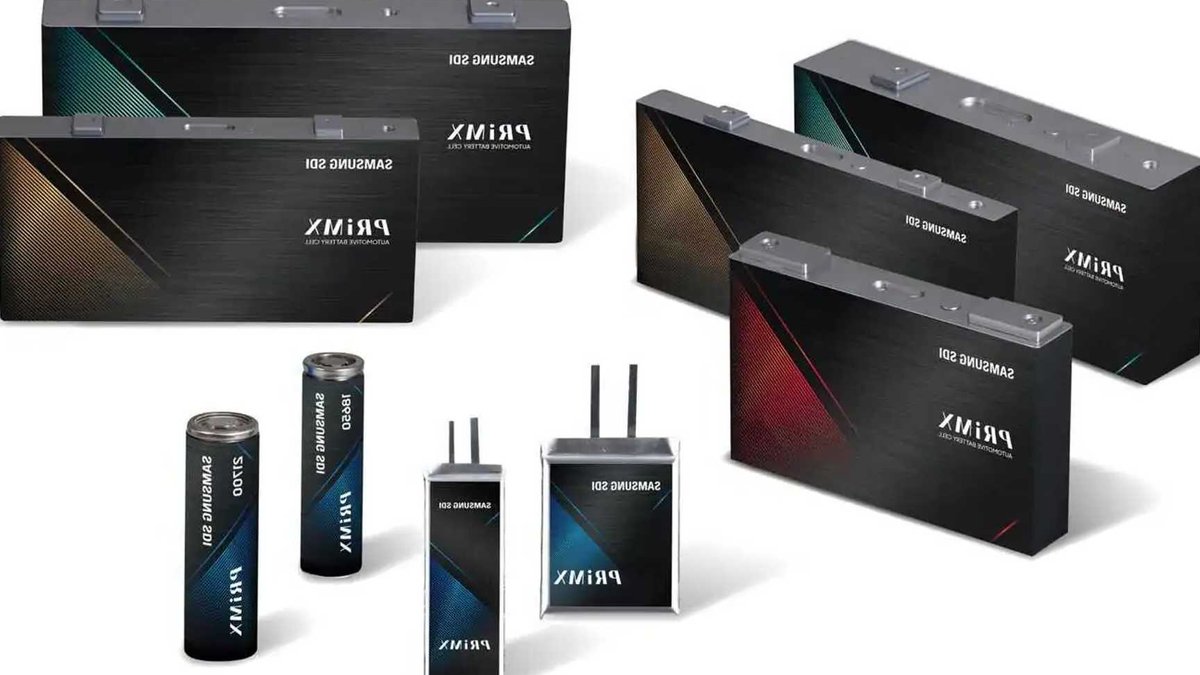
Samsung SDI announced it purchased GM’s 49.99 % share in the joint venture, making the company the exclusive operator of the new factory. The plant, originally intended to produce nickel-rich prismatic cells for GM electric vehicles, will now focus on assembling cells and modules for energy-storage systems. A company spokesperson stated that the shift reflects the slower-than-expected growth of electric vehicle demand and a desire to proactively respond to the fast-growing energy-storage market in the U.S.
The facility, located in Indiana, is expected to come online in 2025. When operational, it will become Samsung SDI’s first independently run battery production base on the continent. They say the site will assemble batteries for energy storage systems rather than the prismatic electric vehicle cells initially planned.
GM’s broader battery strategy evolves
Although the joint venture with Samsung SDI has ended, GM has signed a new agreement with the South Korean firm to co-develop a next-generation prismatic cell that could be used in future electric-car models. This suggests GM still sees value in prismatic technology, even as it steps back from the Indiana project.
GM continues to pursue lithium-manganese-rich prismatic cells with LG Energy Solution, a chemistry touted as more affordable than traditional nickel-manganese-cobalt formulations. They also retain several battery plants across the United States, indicating a diversified approach to their supply chain.
In 2024, GM sold its stake in a battery plant in Lansing, Michigan, to LG Energy Solution, indicating a pattern of reshuffling ownership to align with shifting market expectations.
From a strategic standpoint, the move may allow Samsung SDI to tap the expanding electric vehicle market while giving GM flexibility to explore alternative cell chemistries without being tied to a single production line. The partnership’s continuation on a research level indicates both parties still see mutual benefit, even as the manufacturing focus diverges.
Industry observers note that prismatic cells, unlike the pouch formats GM currently uses, can be stacked more easily and integrated into cell-to-pack designs, potentially boosting energy density while lowering costs. Whether Samsung SDI will eventually return to electric vehicle-focused production at the Indiana site remains to be seen, but the current plan emphasizes stationary applications.


