
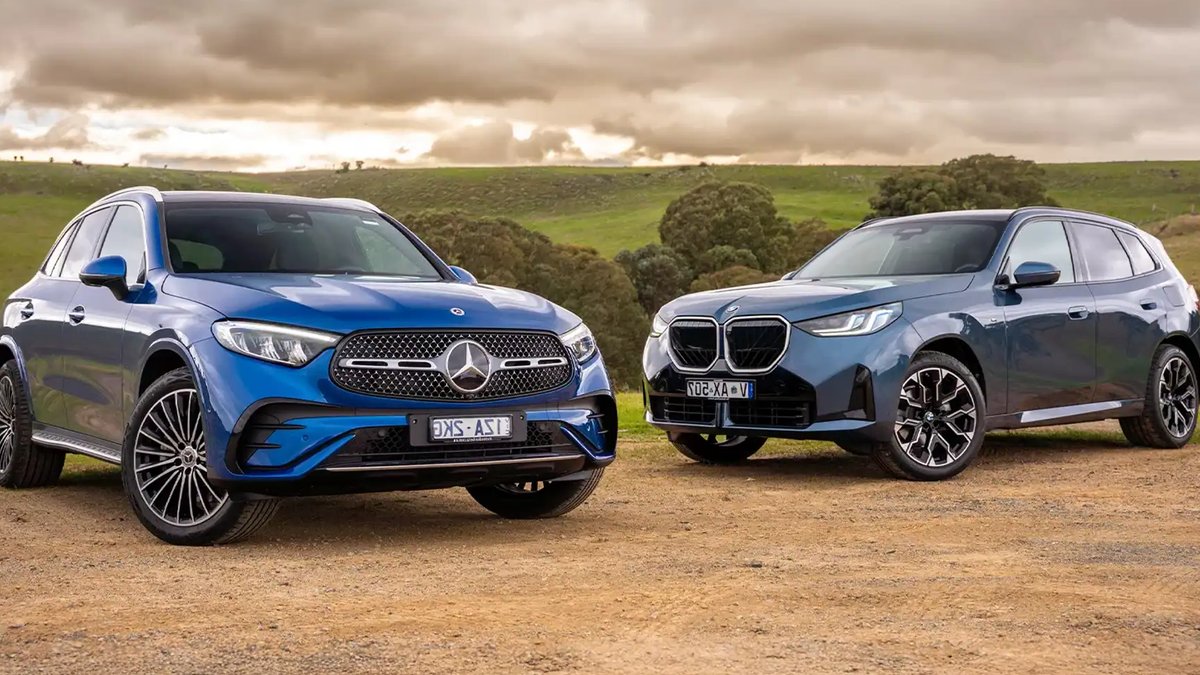
Australian buyers often view used European cars as a status symbol, yet the purchase price tells only part of the story. Experts say that once a vehicle reaches a decade of age, maintenance bills can rise sharply, offsetting any savings from depreciation.
Repair costs can add up
Rod Lofts, senior technical writer at the Victorian Automotive Chamber of Commerce, warns that older models may require pricey fixes. “A European car may look like a bargain on the second-hand car market, but buyers need to remember it was once a very expensive vehicle. Just because the purchase price has dropped doesn’t mean the cost of maintaining or repairing it has,” he said.
Complex engineering and advanced electronics are common in these imports, making parts and labor more demanding. A cracked water pump or a failing sensor can involve several hours of disassembly, which pushes repair invoices higher than those for simpler designs.
Mechanics also report that plastic cooling-system components grow brittle over time, leading to leaks. When a fault spreads to the vehicle’s wiring, the resulting cascade can double the cost of a single repair.
Factors that drive maintenance expenses
Jason Steporowski, general manager of membership and marketing at MTA NSW, notes that ownership costs differ widely among models. “There can be a higher cost of ownership, particularly with luxury and performance vehicles, but it would be unfair to apply that assessment to every European car,” he said.
Key items to inspect on older European models include water pumps, thermostats, hoses, engine seals, suspension bushes, dampers, and electronic control units. Turbochargers, complex transmissions, and air-suspension systems also represent significant expense if they fail.
Diesel versions add another layer of concern. Emissions-control hardware can deteriorate quickly if the car spends most of its life on short trips, where the system never reaches optimal temperature.
Industry insiders stress that the car’s origin alone does not predict reliability. Service history, mileage, and prior usage are more decisive. Regular maintenance to the manufacturer’s schedule can curb the likelihood of major breakdowns.
Aftermarket parts and specialist workshops have improved the cost outlook for some repairs. Yet a catastrophic engine or transmission failure can still generate a bill that exceeds the vehicle’s market value.
In practice, owners of well-kept European cars often experience fewer surprises. Consistent servicing with quality fluids and parts helps preserve performance and can extend the vehicle’s useful life.
For prospective buyers, obtaining quotes for upcoming services, brake replacements, and tyre changes provides a clearer picture of total ownership cost than relying on generic percentages based on the car’s continent of manufacture.
Long-term reliability
“A well-maintained European car can be very reliable. The important thing is to make sure it’s been serviced properly and that the new owner is prepared to keep up that maintenance,” Lofts said.
“Regular servicing by someone who knows the vehicle, using quality parts and fluids, can make a big difference in its long-term reliability,” he added.
Vehicles with high-performance engines, complex transmissions, air or adaptive suspension, large braking systems, and extensive electronic equipment can involve higher maintenance and repair costs as they age. These features are found in vehicles from all brands.


