
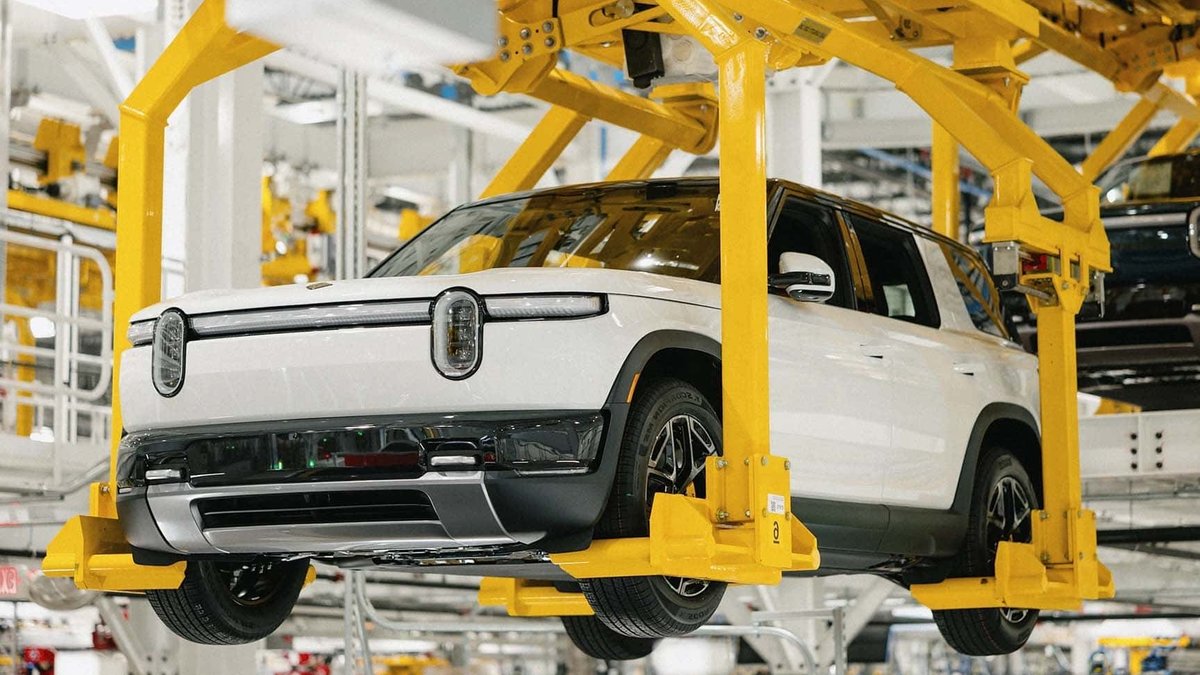
Rivian is set to add a second shift to the R2 assembly line at its Normal, Illinois plant, a move that could bring the electric‑vehicle startup closer to sustained profitability.
Second shift slated for late Q3
The company plans to start the extra shift by September 30, according to its latest investor briefing. Production capacity will rise further once the new Georgia factory becomes operational, though the exact number of workers added remains unknown because Rivian stopped reporting headcount at the Illinois site.
CEO RJ Scaringe told investors that “hundreds of suppliers” are aligning their own output to support the schedule. Coordinated ramp‑up is intended to keep the line moving without bottlenecks, a concern that has haunted many automotive startups.
Why the R2 matters to the business
The R2 is Rivian’s smallest and least expensive model, with a starting price of $46,495 for the standard rear‑wheel‑drive version.
The top‑spec Performance trim, priced at $59,485, began deliveries on June 9 and offers a 330‑mile EPA range, dual‑motor all‑wheel drive and 656 horsepower. A less powerful variant slated for summer 2027 will deliver more than 275 miles per charge.
Reservations have topped 200,000, and the company logged 57,000 demo drives, indicating strong market interest. The vehicle is marketed as an adventure‑ready midsize SUV, filling a gap for buyers who wanted a crossover but found few electric options.
Related: Lucid EV Launch Pushed Back to 2027
Scaringe noted that a “significant number” of R2 purchasers are first‑time EV owners, highlighting the model’s role in expanding the overall electric‑vehicle market. He added, “The U.S. automotive marketplace is starved for high‑quality EV choice, and I believe R2 is an attractively priced option for everyday adventures that will resonate with a broad set of consumers.”
From a practical standpoint, the added shift could translate into more cars leaving the line each day, which may help Rivian meet the demand reflected in its reservation numbers. If the supply chain stays coordinated, the company could avoid the production hiccups that have slowed rivals in the past.
Production will extend into night hours.
Implications for suppliers and workers
Suppliers will need to scale up output quickly, a challenge that depends on their own capacity and logistics. The CEO’s comment about “hundreds of suppliers” suggests a broad network, but the timing of their ramp‑up will be critical to keep the line balanced.
For the workforce, the second shift could bring new hiring opportunities, though Rivian has not disclosed how many positions will open. Existing employees may see altered schedules as the plant adapts to a 24‑hour operation.
Overall, the move signals Rivian’s confidence in the R2’s market traction and its ambition to generate profit from volume production rather than relying solely on premium‑price models.


