
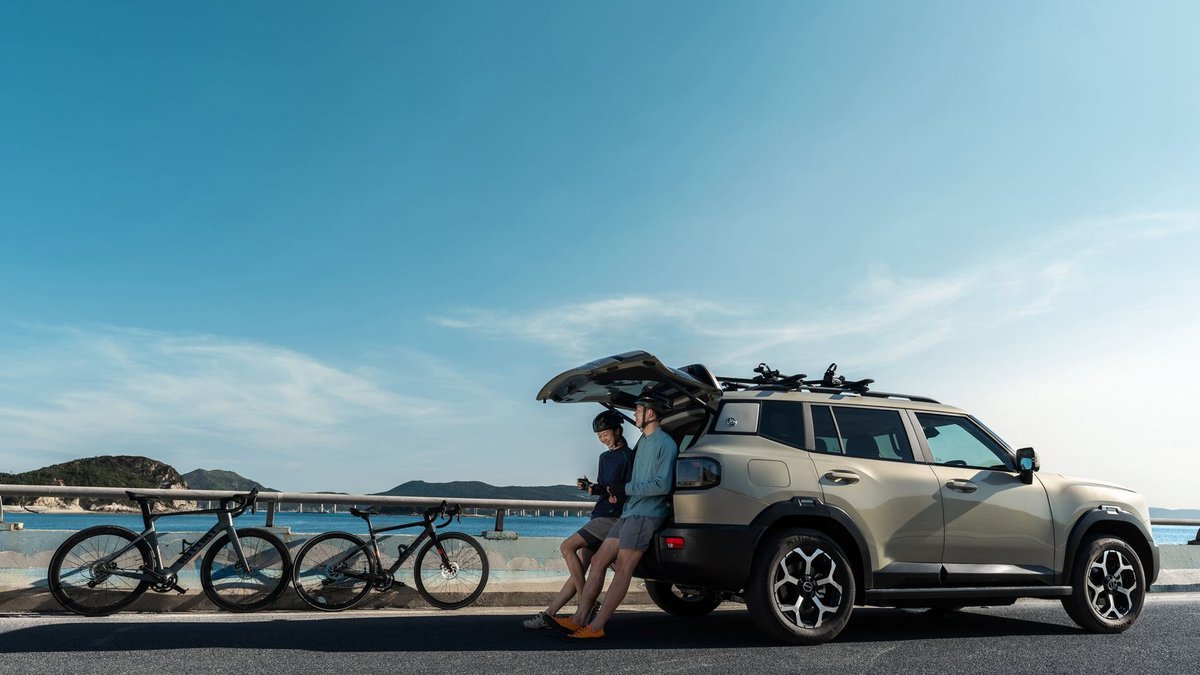
Australian drivers are increasingly looking at plug-in hybrid SUVs as a way to cut running costs without sacrificing the range of a traditional petrol vehicle. The August 2026 issue of Wheels puts this theory to the test with an in-depth examination of one of the country’s fastest-growing segments. Four Chinese plug-in hybrid SUVs—the Chery Tiggo 7, BYD Sealion 5, GMW Haval H6, and Geely Starray EM-i—were subjected to a demanding 700km real-world comparison to determine if they truly deliver on their promises.
Real-world efficiency and performance
The cover story puts the latest generation of plug-in hybrid SUVs through a full mix of city, suburban, and highway driving. The test measures real-world EV range, fuel consumption, and overall usability. As more Australians consider these vehicles as alternatives to conventional petrol cars, hybrids, and fully electric models, the comparison explores which models offer the best balance of efficiency, practicality, and value.
The test involved a demanding 700km route that covered varied terrains and traffic conditions. Engineers analyzed how the vehicles managed power between their electric motors and internal combustion engines. By tracking performance across different driving styles, the publication aimed to provide a clear picture of how these Chinese manufacturers stack up against established global rivals.
Most of the vehicles in this comparison focus on urban commuting and light highway use. They prioritize a smooth, quiet ride and low emissions over outright speed. The results show that while some models struggle with highway speeds, others maintain efficiency reasonably well under load. This highlights a key difference between compact SUVs designed for city streets and those built for long-distance travel.
Related: Top Used Sports Cars for Every Budget
For the average family living in the suburbs, the choice between a petrol car and a plug-in hybrid often comes down to the daily commute. These vehicles are designed to handle short trips on electric power, keeping fuel bills low for the majority of users. However, the test revealed that real-world efficiency can vary significantly depending on driving habits and terrain.
Drivers who frequently drive long distances on highways may find that the fuel consumption rises more sharply than advertised in ideal conditions. The ability to switch seamlessly between electric and petrol modes is useful, but it does not completely eliminate the drag of highway speeds. This means owners should still budget for regular refueling on longer journeys, even if the majority of their driving is local.
The inclusion of this comparison in a major automotive publication signals a shift in how the market views Chinese vehicles. The focus is no longer just on price but on the actual driving experience and the reliability of the technology. The feedback from this test will likely influence future purchasing decisions for consumers who are hesitant to switch from traditional vehicles.
Readers can access the full digital archive going back to 1953 by subscribing to the magazine. The issue also features reviews of the new Toyota RAV4 PHEV, Mazda 6e, and the Bovensiepen Zagato, along with a long-term update on the Honda Prelude and a look at Toyota’s little-known Camry Coupe from 1990.


