
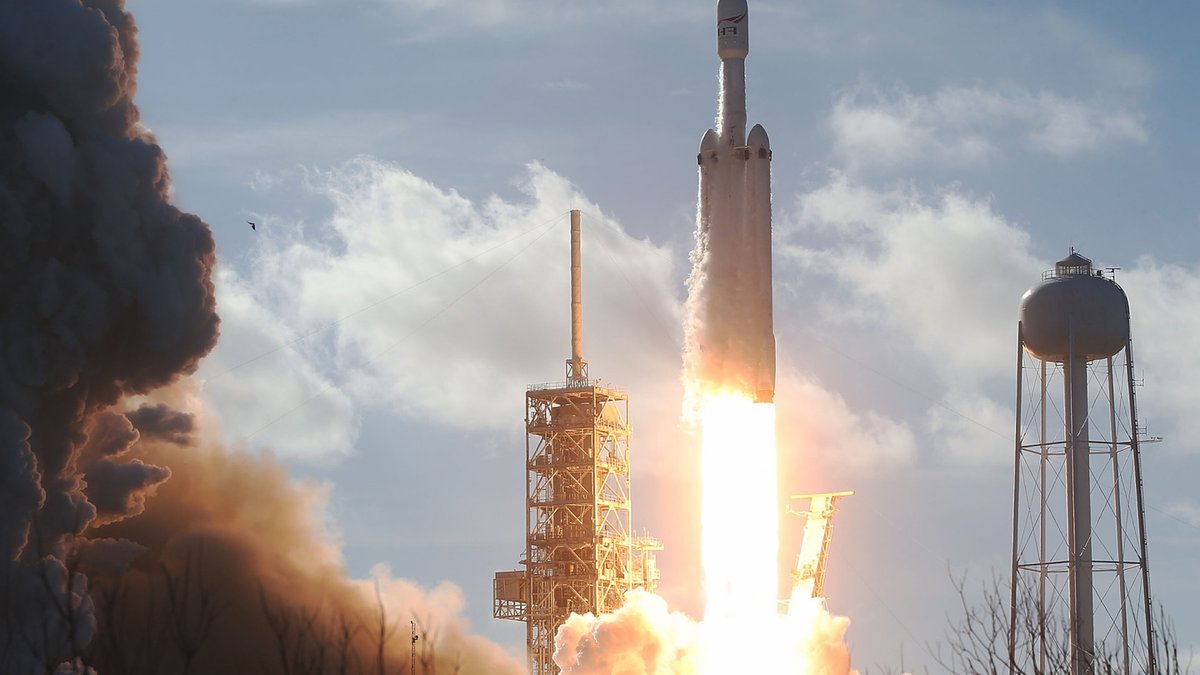
The cost of hiring an oil tanker has skyrocketed, with prices now exceeding those of launching a rocket into space. According to Bloomberg, the cost of hiring a tanker to travel from the US to China is approximately $80 million, surpassing the $74 million required for a standard SpaceX Falcon 9 launch.
This surge in costs is attributed to a global tanker shortage, which has been exacerbated by the war with Iran. The shortage has led to a boom in the supertanker market, with rates reaching historic highs. Brokerage SSY notes that, even after adjusting for inflation, current rates are the highest since the introduction of supertankers in the 1960s.
Global Tanker Shortage
The shortage is largely due to the increased reliance of Middle Eastern producers on shuttling oil out of the Strait of Hormuz, resulting in longer voyage times and a stretched global fleet. The stop-start nature of trade flows has further exacerbated the shortage, with tankers spending weeks sailing empty in search of business.
The effective pause in Iranian exports to China has also added to the strain, forcing Chinese buyers to source crude elsewhere and increasing demand for tankers in the mainstream market. This has led to a significant increase in transport costs, which have risen from $4.50 a barrel to $41, roughly 45% of the cost of a barrel of oil.
The impact of the tanker shortage is being felt across the industry, with oil trader Vitol Group CEO Russell Hardy noting that “there’s really not quite enough shipping to go around.” The war and the tanker shortage are inextricably linked, with the conflict rewiring regional trade flows and contributing to the shortage.
In the midst of this crisis, tanker owners are reaping windfall profits, with Clarksons Securities analysts noting that “freight becomes increasingly dependent on what charterers can afford to pay.” The rally has made millions for a narrow cadre of often-secretive shipowners, including an enigmatic South Korean tycoon and a pool of Greek families and Norwegian magnates.
The economic effects of the war are far-reaching, with higher fuel prices already costing regular Americans over $100 billion. Meanwhile, oil and gas companies are earning billions of dollars in windfall profits, highlighting the disproportionate impact of the crisis on ordinary people.
As the situation continues to unfold, it is clear that the tanker shortage and higher fuel prices are having a significant impact on the global economy. With no end in sight to the rally, tanker owners are poised to continue reaping profits, while regular Americans struggle to afford the rising cost of fuel.
The war with Iran has had a profound impact on global trade flows, with the tanker shortage being just one of the many consequences. As the conflict continues, it is likely that the shortage will persist, leading to further increases in transport costs and fuel prices.
Shipping companies are taking advantage of the high demand for tankers, with many owners expecting the rally to continue. Clarksons Securities analysts note that freight costs are dependent on what charterers can afford to pay, given the limited additional capacity available.
Impact on Regular Americans
The disproportionate impact of the crisis on ordinary people is clear, with many struggling to afford the rising cost of fuel.
This has led to a significant increase in transport costs.


