
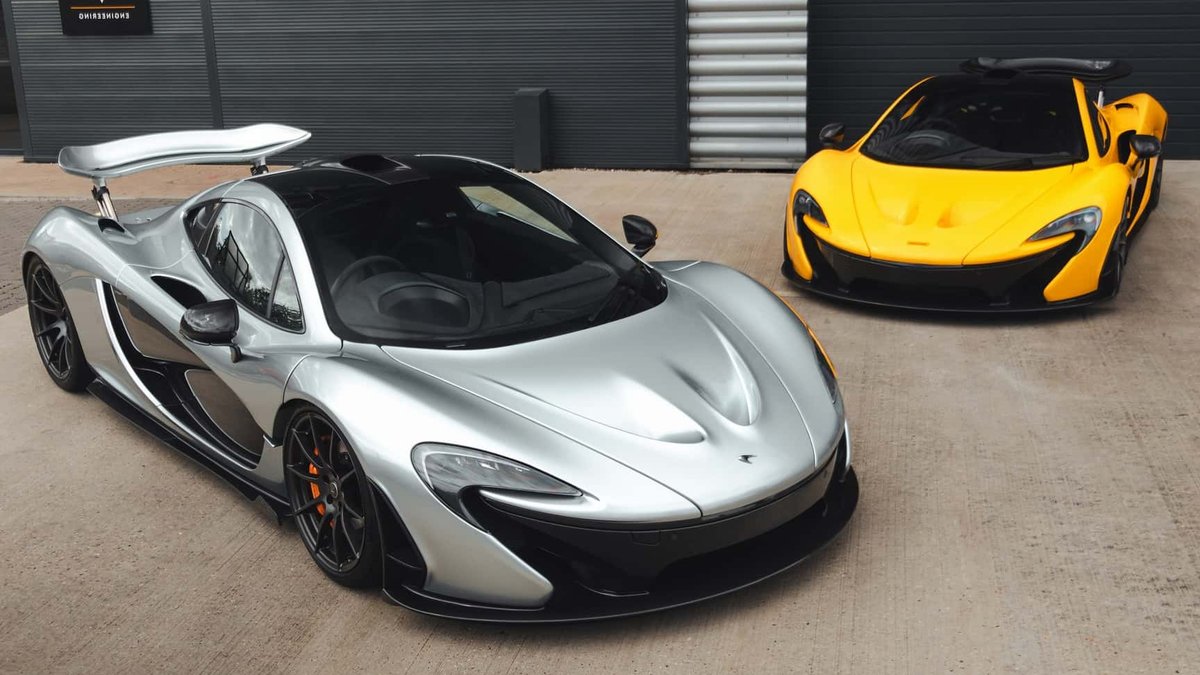
TheMcLaren P1 was the hyper when when it debuted in 2013 as the world’s first plug-in hybrid hypercar.
It combined a 3.8-liter twin-turbo V8 with an electric motor for a total output of 903 horsepower, The battery, though, was tiny—just 4.72 kilowatt-hours.
That was enough for about 6 miles of all-electric range and a quick jolt of torque during acceleration. But the cells dated back to 2010, when lithium-ion technology was still in its early days. Over time, the battery degraded, leaving some P1 owners with less performance than they expected.
An independent shop built a replacement that triples the capacity
V Engineering, a UK-based McLaren specialist, developed a drop-in replacement battery called Project Continuum. It uses modern 21700 lithium-ion cells to store 12.4 kilowatt-hours—more than 2.5 times the original capacity. The new pack also weighs 51 pounds less than the old one, which should improve the car’s handling.
The upgrade was designed in collaboration with engineers who worked on the original P1. The battery module itself meets FIA Formula E standards, where electric race cars are pushed to their limits for an entire race. V Engineering says the increased capacity should extend the P1’s all-electric range, though the car’s 903-horsepower output still makes it feel most at home on a track.
Related: GM exits battery factory deal with Samsung
Customer installations are set to begin next spring. The company has already started talking with P1 owners around the world about the upgrade.
The P1’s battery wasn’t built to last this long
The McLaren P1 was part of the “Holy Trinity” of hybrid hypercars, alongside the Porsche 918 Spyder and Ferrari LaFerrari. All three debuted in the early 2010s, but the P1 stood out as the first plug-in hybrid in the group. The Porsche 918 Spyder followed a few months later.
Now, more than a decade later, the original batteries in these cars are showing their age. The P1’s battery was small to begin with, and the technology has advanced significantly since then. Most owners who want to keep their cars running at peak performance will need some kind of upgrade.
For P1 owners, the choice might come down to whether they want to preserve the car’s originality or extend its usable life. The V Engineering upgrade isn’t the only option—some owners might opt for a refurbished original battery—but it’s one of the few solutions that actually improves on the original design.
Related: US Approves Zoox Robotaxi Service
What this means for the car’s future
The P1 was never meant to be a daily driver. Its hybrid system was designed to deliver maximum performance, not long-term reliability. But as these cars age, owners are finding ways to keep them running.
The V Engineering upgrade could make the P1 more practical for short trips or track days where electric power is useful. It won’t turn the car into a long-range EV, but it could give owners a few more years of enjoyment before they have to consider more drastic measures.
Installations are expected to start in spring 2025, with the company already in discussions with owners worldwide.


