
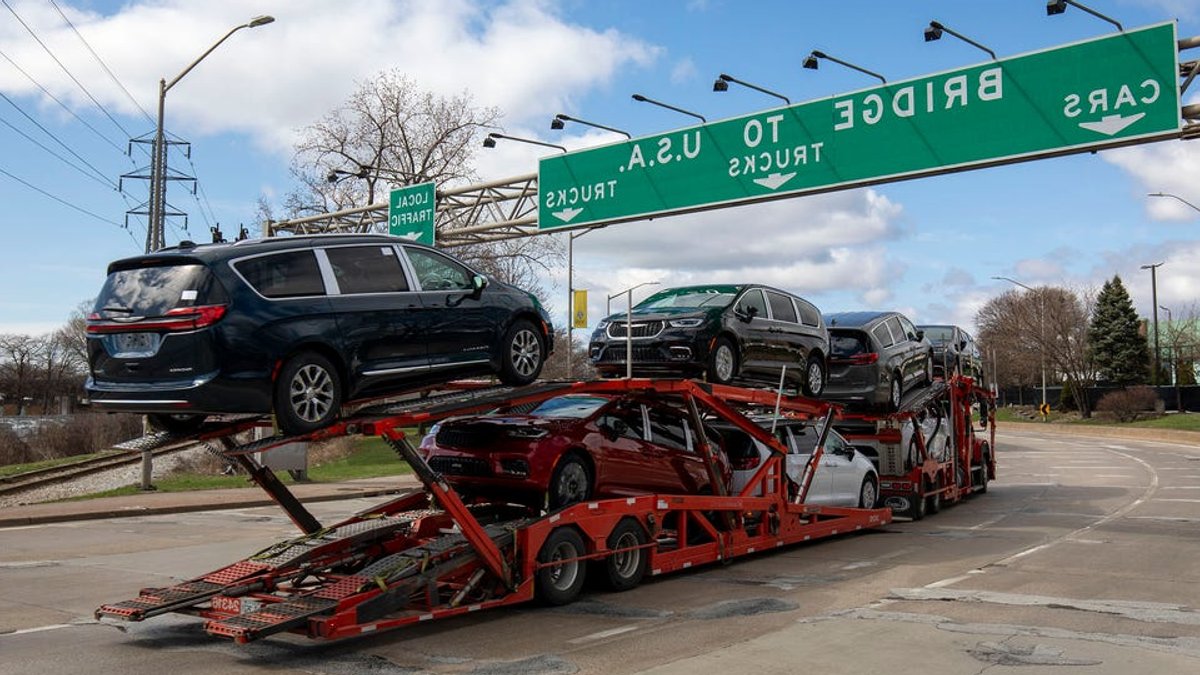
Trump announced plans to raise tariffs on Canadian-built vehicles and auto parts to 50% starting January 1, 2027, following the breakdown of trade negotiations between the two countries last week.
The new tariffs would cover cars, trucks, auto parts, and steel crossing the U.S.-Canada border. Current duties, in place since April 2025, are set at 25% for most vehicles.
Negotiations collapse over heavy trucks
The latest talks aimed to reduce or remove existing tariffs but ended with both sides blaming each other for last-minute demands that sank the deal.
Related: Plymouth Fury police car up for auction
Canadian Prime Minister Mark Carney stated that the U.S. reversed its stance on heavy trucks near the end of negotiations. “We clarified what was on offer and were continually disappointed by the responses,” he told reporters. Carney denied claims that Canada introduced new demands late in the process.
According to sources, Canadian negotiators raised concerns about heavy trucks in the final hours, complicating discussions. The U.S. had reportedly agreed to lower tariffs on passenger vehicles to 15%, but the agreement fell apart before signing.
Auto industry prepares for fallout
The proposed 50% tariff would significantly increase the cost of Canadian-made vehicles sold in the U.S. The automotive supply chain between the two countries is highly integrated, with parts frequently crossing the border multiple times before assembly.
If enacted, the policy may push automakers to rethink their North American production plans. Some could move assembly to U.S. facilities to avoid tariffs, though capacity limits and labor agreements might delay immediate changes.
Related: Rare 1988 Mazda 323 GTX Heads to Auction
Carney described the dispute as a defense of national sovereignty. “We were not prepared to compromise Canada’s sovereignty or harm our key industries,” he said. While no retaliatory measures have been announced, past trade conflicts have led to reciprocal tariffs on agricultural products and other goods.
The timing adds uncertainty. With the U.S. presidential election less than a year away, trade policy remains a key issue in Trump’s campaign. A second term could bring more aggressive tariffs, while a new administration might restart negotiations.
For now, the 25% tariffs stay in effect, and both governments appear ready for a long standoff. No new talks are scheduled, though informal discussions are likely ongoing.


