
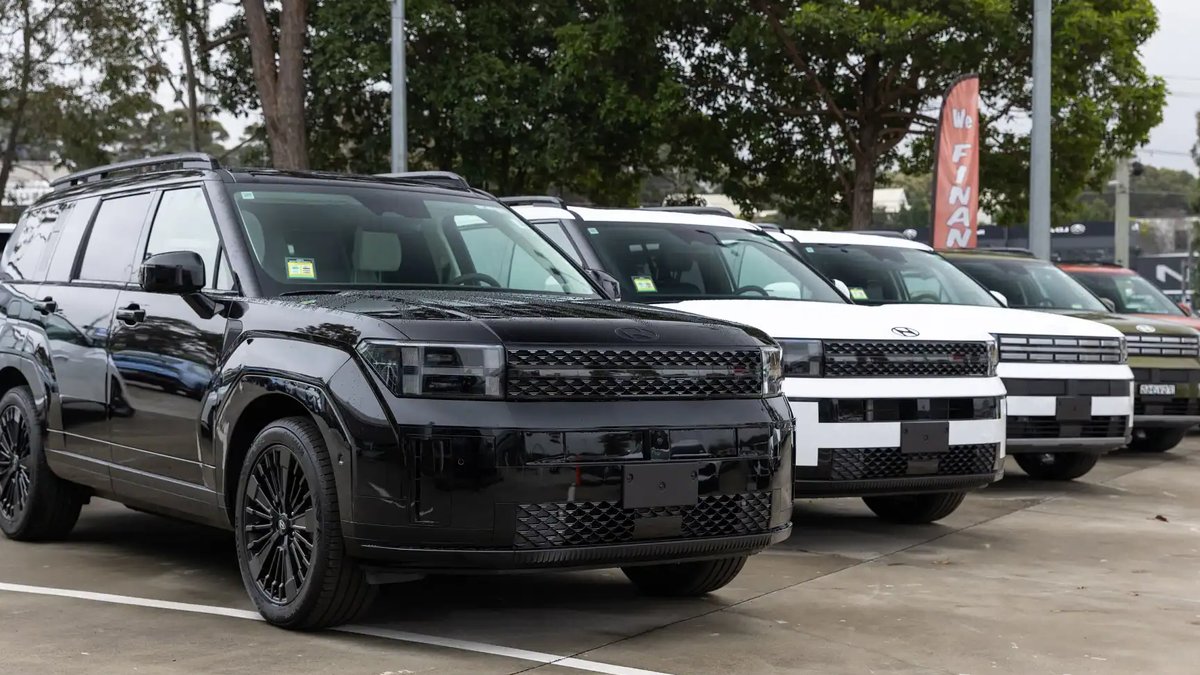
Car buyers are increasingly drawn to extended warranties that promise coverage beyond the standard five years. Brands like MG, Mitsubishi, Nissan, Hyundai, and Ford offer warranties stretching to seven or ten years. While these deals seem appealing, they come with strict conditions that can confuse buyers and limit their choices. On paper, these extended warranties are an attractive proposition, but the fine print reveals a complex market of conditional requirements that often leave consumers uncertain about their rights and obligations.
For instance, Nissan and Mitsubishi’s ten-year warranties require customers to service their vehicles exclusively within the brand’s dealer network. Ford and Hyundai’s seven-year coverage has similar terms. MG’s ten-year warranty excludes commercial vehicles and mandates servicing within specific time and mileage limits. In MG’s case, the Chinese car maker’s advertised 10-year/250,000km warranty does not apply to vehicles used for commercial purposes, further restricting its applicability. These conditions have raised concerns about anti-competitive practices and consumer confusion, as buyers may feel compelled to stay within the brand’s network even when it’s not in their best interest.
The fine print: What buyers often miss
Stuart Charity, AAAA’s chief executive, notes that the claims process is often complicated and adversarial. Many buyers mistakenly believe that using independent repairers will void their warranty, even though Australian Consumer Law protects their rights to choose where they service their vehicles. Charity emphasizes that the issue lies not in the existence of extended warranties but in the opacity of their conditions and the challenging claims process, which can leave consumers feeling frustrated and misinformed.
A national survey found that nearly five million Australians believe this myth. Using independent repairers or aftermarket parts does not automatically void these guarantees, unless those parts directly cause a fault. Despite this, the AAAA’s survey reveals a widespread misunderstanding, with millions of Australians unnecessarily limiting their choices due to fear of voiding their warranty. The ACCC reinforces that consumers retain their rights under Australian Consumer Law, regardless of where they choose to service their vehicles.
Read Also: Australia’s 2026 car lineup packed with luxury and electric models
Wear and tear disputes add to the confusion
Another issue is the ambiguity around wear and tear. Charity points out that disputes often arise over whether a component failure is covered or if the manufacturer will accept responsibility. This uncertainty can lead consumers to pay more for servicing or travel farther than necessary, believing they have no other option. Charity further explains that normal servicing, tyres, brakes, and other wear-and-tear items are typically excluded from extended warranties, leaving consumers responsible for these costs. This lack of clarity exacerbates confusion and can result in unexpected expenses for car owners.
While extended warranties may seem like a safety net, they can also restrict competition. By tying buyers to specific dealer networks, manufacturers may limit their ability to choose independent repairers. The Competition and Consumer Act 2010 explicitly prohibits exclusive dealing where it has the purpose, effect, or likely effect of substantially lessening competition. This legal framework shows the ACCC’s commitment to ensuring fair competition in the automotive industry, though the assessment of each case depends on its specific facts and circumstances.
What’s next for consumers and regulators
The ACCC has prioritized motor vehicle manufacturers in its 2026-27 compliance and enforcement efforts. Businesses must ensure their warranty claims are not false or misleading. For buyers, understanding the fine print is key. While extended warranties offer peace of mind, they often come with strings attached that could cost more in the long run. The ACCC’s focus on motor vehicle manufacturers signals a proactive approach to addressing anti-competitive practices and ensuring transparency in warranty offerings. Consumers are urged to scrutinize warranty terms and remain aware of their rights under Australian Consumer Law.


